
Creating a relaxing home workspace is essential for maintaining focus, reducing stress, and supporting productivity, especially when spending long hours working from home. A thoughtfully designed workspace can help separate work life from personal life and create an environment that encourages creativity and calmness.
In this post, we will explore practical tips for setting up a home workspace that feels both comfortable and inspiring. Whether you have a dedicated room or a small corner to convert, these ideas will help you create a place where work feels less like a chore.
Choose the Right Location
The foundation of a relaxing workspace begins with its location. Ideally, select a quiet area with minimal distractions. If possible, find a space with natural light, as sunlight improves mood and energy levels.
– Avoid high-traffic areas such as hallways or living rooms.
– If space is limited, use dividers or screens to separate your workspace.
– Consider noise levels and how to reduce them using rugs, curtains, or noise-canceling headphones.
Invest in Comfortable Furniture
Comfort plays a key role when setting up a workspace. A good chair and desk not only improve posture but also prevent fatigue.
– Use an ergonomic chair that supports your back.
– Choose a desk with enough surface area for your computer and essentials.
– Adjust your monitor to eye level to reduce neck strain.
– If possible, incorporate a sit-stand desk to alternate positions throughout the day.
Use Calming Colors and Decor
Colors affect mood and productivity. Soft, neutral tones or pastels tend to create a peaceful atmosphere.
– Paint your workspace walls in light blues, greens, or beige tones.
– Limit bright or intense colors to small accessories.
– Add personal touches such as artwork, photos, or plants to make the space inviting.
– Avoid clutter by keeping decorations minimal and purposeful.
Organize Effectively
A cluttered workspace can lead to distraction and tension. Organizing your materials promotes focus and a sense of control.
– Use storage solutions like shelves, drawers, or bins to keep items tidy.
– Keep your desk surface clean by storing infrequently used items away.
– Develop a filing system for papers and digital files.
– Set aside a few minutes daily to tidy up and maintain order.
Incorporate Natural Elements
Adding elements from nature can enhance relaxation and boost concentration.
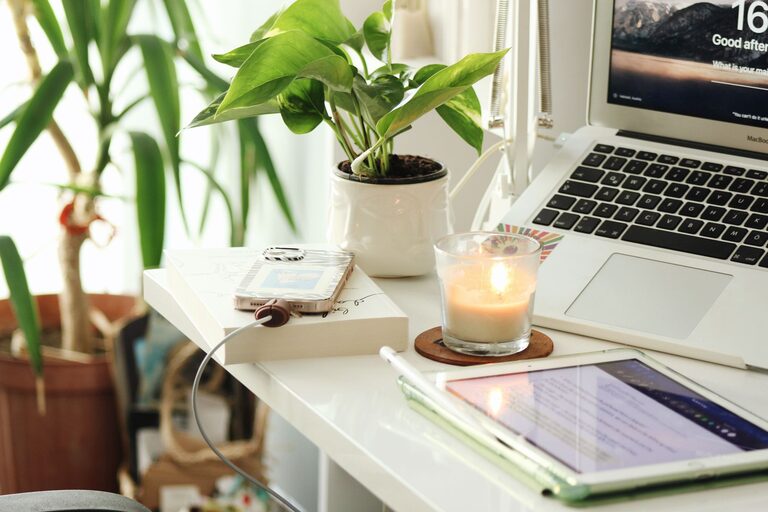
– Place potted plants or succulents on your desk or nearby.
– Use natural materials such as wood or stone for furniture or accessories.
– If possible, arrange your desk near a window with a view of greenery.
– Consider using a small water fountain or nature sounds for soothing background noise.
Control Lighting for Comfort
Lighting impacts both your comfort and productivity. Poor lighting can cause eye strain and headaches.
– Make the most of natural light during the day.
– Use adjustable desk lamps for focused lighting.
– Avoid harsh overhead lights; opt for warm, soft bulbs instead.
– Position screens to reduce glare and reflections.
Set Boundaries and Routine
A relaxing workspace is supported by healthy work habits and clear boundaries.
– Define your working hours and stick to them.
– Use signals like closing a door or a “do not disturb” sign to minimize interruptions.
– Take regular breaks away from your desk to rest your eyes and move your body.
– Practice mindfulness or relaxation techniques during breaks to manage stress.
Personal Comfort Items
Adding small comfort items can make your workspace a more enjoyable place.
– Use a comfortable wrist rest or keyboard pad.
– Keep a water bottle or herbal tea nearby to stay hydrated.
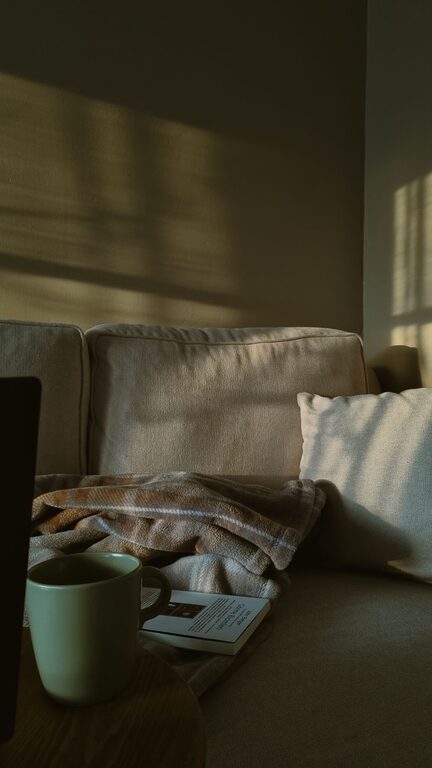
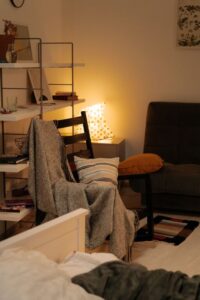
– Incorporate a cozy blanket or cushion for chilly days.
– Play soft background music or white noise if it helps you focus.
—
By combining these tips, you can create a home workspace that not only supports your productivity but also promotes a calm and relaxed mindset. Remember, the goal is to design a space that feels personal, organized, and comfortable — allowing you to do your best work without feeling overwhelmed. Start with small changes and adapt your workspace as needed to find the perfect balance for you.